Explore Nathmal Ki Haveli Jaisalmer: History & Architecture

Jaisalmer Itinerary: 3 Days and 4 Days Travel Guide with Best Places to Visit
September 8, 2025
Why Patwon Ki Haveli Is Jaisalmer’s Ultimate Golden Mansion
September 9, 2025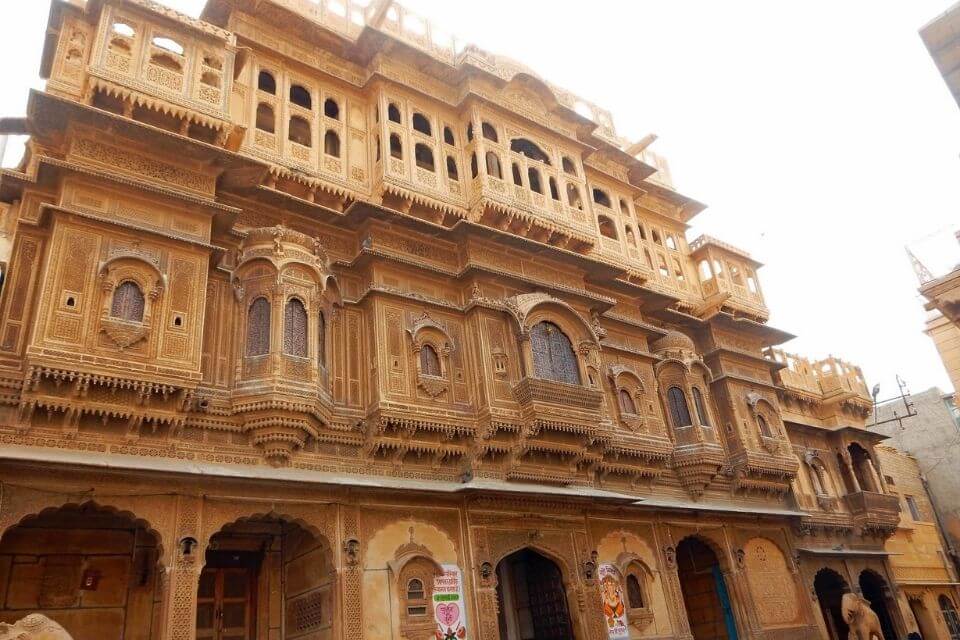
Jaisalmer, often called the “Golden City of India”, is renowned for its magnificent forts, intricate sandstone structures, and rich cultural heritage. Among its most celebrated architectural treasures is Nathmal Ki Haveli, Jaisalmer, a stunning example of Rajputana craftsmanship that continues to attract travellers, historians, and architecture enthusiasts from around the world. Known for its extraordinary carvings, unique design, and fascinating history, Nathmal Ki Haveli stands as a symbol of the artistic brilliance that flourished in Rajasthan during the 19th century.
Whether you are exploring the historic lanes of Jaisalmer or researching the city’s heritage, Nathmal Haveli is a landmark that deserves special attention. In this guide, we will delve into the history, architecture, cultural significance, and visitor experience of Nathmal Ji Ki Haveli, while also understanding its connection with other famous heritage structures, including Nataniyon Ki Haveli.
History of Nathmal Ki Haveli Jaisalmer
The story of Nathmal Ki Haveli Jaisalmer dates back to the late 19th century. The haveli was commissioned by Diwan Mohata Nathmal, who served as the Prime Minister of the erstwhile kingdom of Jaisalmer. As a prominent figure in the royal administration, Nathmal wanted a residence that reflected his status, wealth, and refined taste.
What makes the history of Nathmal Ki Haveli particularly interesting is its construction process. The haveli was designed and built by two architect brothers, Hathi and Lulu. According to popular accounts, the brothers worked on different sides of the building simultaneously. Although they followed the same overall vision, their individual artistic interpretations resulted in subtle differences between the two halves of the structure.
Today, these slight asymmetries have become one of the most fascinating aspects of Nathmal Haveli, showcasing the creativity and individuality of its craftsmen. Despite the differences, the final structure appears harmonious and balanced, reflecting remarkable architectural skill.
Over the decades, Nathmal Ji Ki Haveli has become one of Jaisalmer’s most iconic attractions, representing the city’s rich artistic and cultural legacy.
Architectural Brilliance of Nathmal Ki Haveli
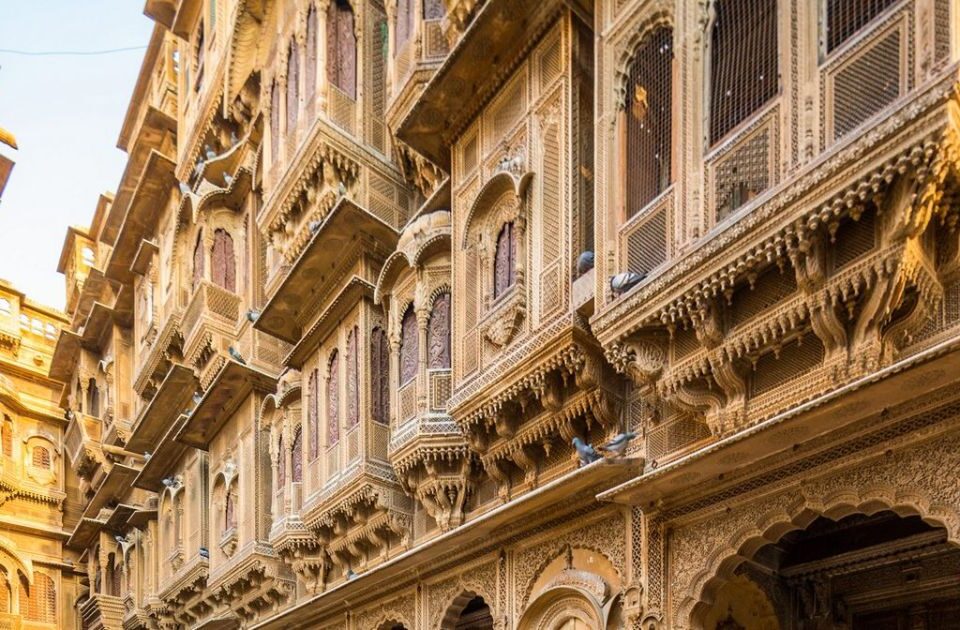
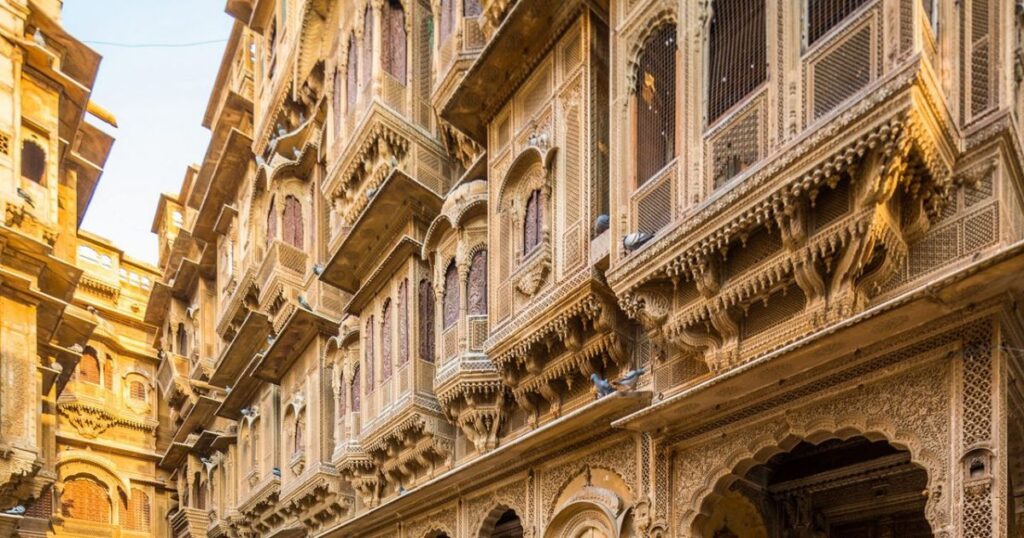
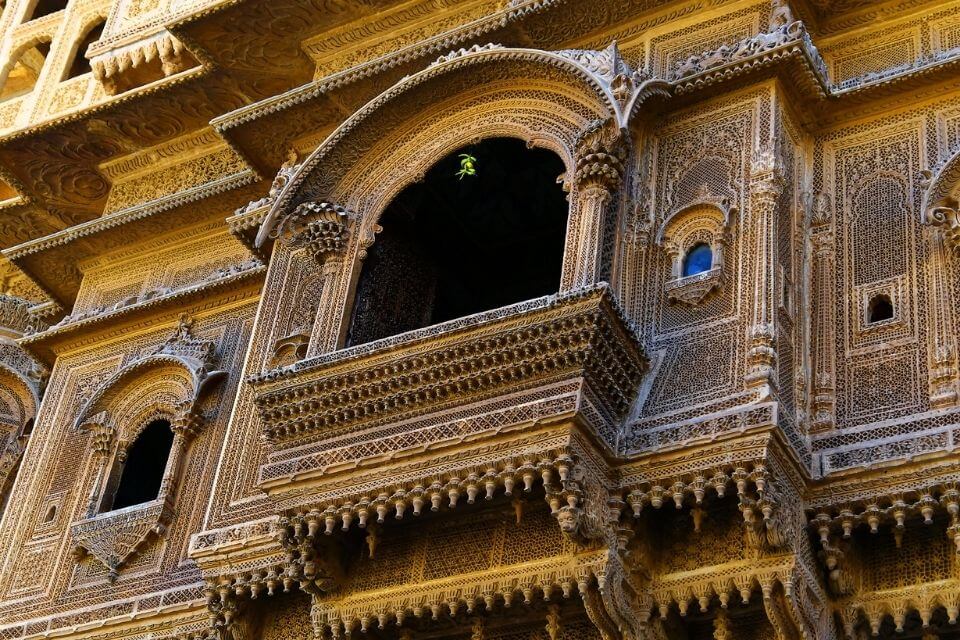
The architecture of Nathmal Ki Haveli, Jaisalmer, is a masterpiece of intricate craftsmanship. Constructed primarily from golden-yellow sandstone, the haveli perfectly complements the golden hue of Jaisalmer’s landscape.
One of the most striking features of Nathmal Ki Haveli is its elaborately carved façade. Every inch of the exterior is adorned with delicate patterns, floral motifs, decorative arches, and sculpted figures. The craftsmanship is so detailed that the stone appears almost lace-like in certain sections.
Unlike many traditional structures of its time, Nathmal Haveli displays a unique blend of Rajput and Islamic architectural styles. This fusion creates a visually captivating design that distinguishes it from other heritage buildings in Rajasthan.
The haveli’s architecture reflects not only artistic excellence but also the social and cultural influences of the period. As trade routes connected Rajasthan with different regions, diverse artistic elements found their way into local architecture. This cultural exchange is clearly visible in Nathmal Ji Ki Haveli, making it an important architectural landmark.
Exterior Features of Nathmal Haveli
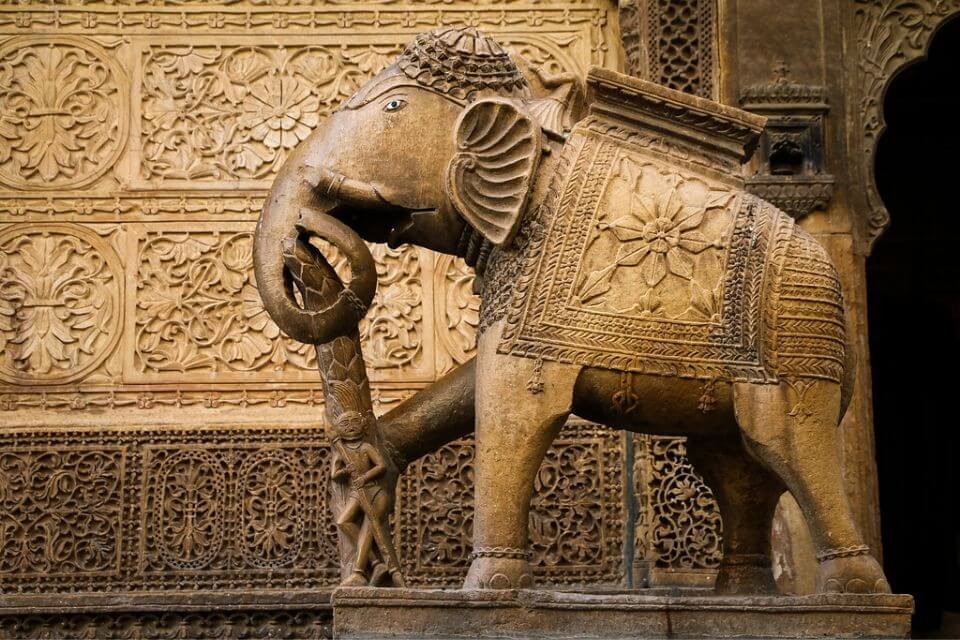
The exterior of Nathmal Ki Haveli Jaisalmer immediately captures visitors’ attention. Two life-sized stone elephants guard the entrance, creating a grand and welcoming impression. These elephants are among the most photographed features of the haveli.
The façade showcases an incredible variety of carvings, including the following:
- Floral designs
- Geometric patterns
- Ornamental balconies
- Decorative windows
- Sculpted figures
- Traditional Rajasthani motifs
The level of detail visible on the walls demonstrates the extraordinary talent of local artisans. Every section of Nathmal Ki Haveli tells a story through stone, making the structure a living example of Rajasthan’s rich artistic traditions.
Visitors often spend considerable time admiring the intricate craftsmanship before even entering the building, as the exterior itself serves as an open-air gallery of stone art.
Interior Design and Artistic Beauty
The interior of Nathmal Ji Ki Haveli is equally impressive. The rooms feature beautiful paintings, decorative ceilings, and finely crafted furnishings that reflect the luxurious lifestyle of the elite families who once lived here.
Inside Nathmal Haveli, visitors can find:
- Traditional wall paintings
- Decorative arches
- Intricately carved pillars
- Artistic frescoes
- Detailed mirror work
- Heritage furniture
Many of the paintings depict scenes from royal life, local traditions, and religious themes. The interiors provide valuable insights into the social and cultural environment of Jaisalmer during the late 19th century.
One remarkable aspect of Nathmal Ki Haveli Jaisalmer is the incorporation of modern influences into traditional art. Some carvings and paintings reportedly include representations of objects such as bicycles and other contemporary items that were unusual for that period. These details reveal the openness of local artists to new ideas and changing times.
Cultural Significance of Nathmal Ki Haveli
Beyond its architectural beauty, Nathmal Ki Haveli holds immense cultural significance. It serves as a reminder of Jaisalmer’s prosperous trading history and the important role played by wealthy merchants and administrators in shaping the city’s architectural landscape.
The haveli represents an era when artistic expression flourished, supported by economic prosperity and royal patronage. Structures like Nathmal Ji Ki Haveli contributed significantly to the cultural identity of Jaisalmer and continue to inspire admiration among visitors today.
As one of the city’s most recognisable landmarks, Nathmal Haveli plays a vital role in preserving Rajasthan’s architectural heritage and promoting cultural tourism.
Nathmal Ki Haveli and Nataniyon Ki Haveli
While discussing heritage architecture in Jaisalmer, it is important to mention Nataniyon Ki Haveli, another significant historical structure in the city.
Like Nathmal Ki Haveli, Jaisalmer’s Nataniyon Ki Haveli is known for its intricate carvings and impressive craftsmanship. The haveli reflects the prosperity and artistic sensibilities of Jaisalmer’s merchant communities.
Visitors interested in exploring Jaisalmer’s architectural heritage often include both Nathmal Ji Ki Haveli and Nataniyon Ki Haveli in their travel itinerary. Together, these landmarks offer a deeper understanding of the city’s cultural evolution and artistic traditions.
The comparison between Nathmal Haveli and Nataniyon Ki Haveli highlights the diversity of architectural styles found within Jaisalmer. While each structure possesses its own unique character, both demonstrate the exceptional skill of local craftsmen and the enduring appeal of sandstone architecture.
Why Tourists Love Nathmal Ki Haveli Jaisalmer
There are several reasons why Nathmal Ki Haveli, Jaisalmer, remains a favourite destination among tourists:
1. Exceptional Architecture
The haveli’s detailed carvings and symmetrical design attract architecture enthusiasts from across the globe.
2. Rich Historical Legacy
The story behind Nathmal Ki Haveli adds depth and meaning to the visitor experience.
3. Cultural Insights
The structure offers a glimpse into the lifestyle, traditions, and artistic achievements of historic Jaisalmer.
4. Photography Opportunities
The golden sandstone façade and intricate carvings make Nathmal Haveli a paradise for photographers.
5. Heritage Exploration
Along with landmarks such as Nataniyon Ki Haveli, it forms an essential part of Jaisalmer’s heritage circuit.
Best Time to Visit Nathmal Ji Ki Haveli
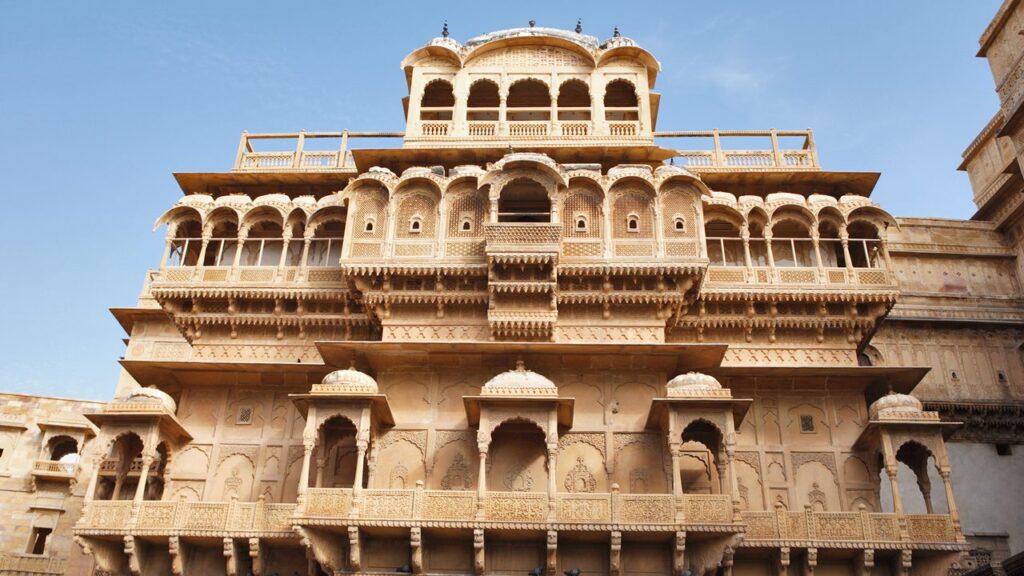
The ideal time to visit Nathmal Ji Ki Haveli is between October and March, when the weather in Jaisalmer is pleasant and perfect for sightseeing. During these months, visitors can comfortably explore Nathmal Ki Haveli Jaisalmer, along with other famous heritage attractions such as Patwo Ki Haveli Jaisalmer and nearby historical landmarks.
Early mornings and late afternoons are particularly recommended, as the golden sunlight enhances the beauty of Nathmal Ki Haveli Jaisalmer, creating stunning visual effects on the intricate sandstone carvings. Many travelers also combine their visit with Patwo Ki Haveli Jaisalmer, allowing them to experience some of the finest examples of Jaisalmer’s rich architectural and cultural heritage in a single trip.
Conclusion
Nathmal Ki Haveli, Jaisalmer, is much more than a historic residence—it is a masterpiece of art, culture, and architectural innovation. From its fascinating history and unique construction story to its breathtaking carvings and elegant interiors, Nathmal Ki Haveli continues to captivate visitors from around the world.
Whether you are an architecture enthusiast, history lover, or traveller seeking authentic cultural experiences, Nathmal Haveli offers an unforgettable journey into Rajasthan’s glorious past. Alongside other heritage landmarks such as Nataniyon Ki Haveli, Nathmal Ji Ki Haveli stands as a timeless symbol of Jaisalmer’s artistic excellence and enduring legacy. Many tourists also combine their heritage tour with a stay at a desert camp in Jaisalmer, where they can experience traditional Rajasthani hospitality, cultural performances, and the beauty of the Thar Desert.
For anyone visiting the Golden City, exploring Nathmal Ki Haveli, Jaisalmer, is an essential experience that reveals the true grandeur of Rajasthan’s architectural heritage. To make the trip even more memorable, visitors can pair their sightseeing itinerary with an overnight stay at a desert camp in Jaisalmer, creating the perfect blend of history, culture, and desert adventure.