Jaisalmer’s Food: 10 Must-Try Dishes in the Golden City

Exploring the Mysteries of Kuldhara Village in Jaisalmer
February 24, 2024
Exploring the Vibrant Heritage: Traditional Dance and Music of Rajasthan
April 4, 2024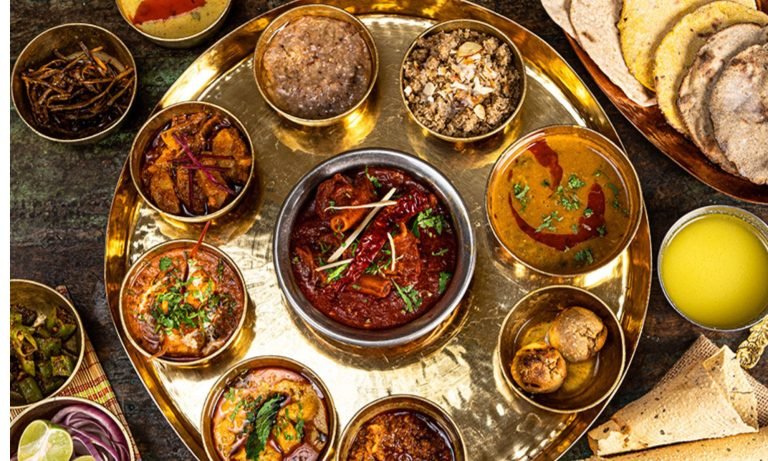
If you are planning a trip to the Golden City, exploring its cuisine should be as important as visiting Jaisalmer Fort and the Thar Desert. Jaisalmer’s culinary identity has developed around Rajasthan’s arid landscape, local traditions, and ingenious ways of cooking with ingredients that can be stored for longer periods. Gram flour, millet, dairy products, spices, dried berries, and beans have traditionally played an important role in Rajasthani cooking. Rajasthan Tourism notes that the scarcity of water and fresh green vegetables historically influenced the cuisine, encouraging dishes that were nutritious, flavorful, and practical in a desert environment.
That history makes Jaisalmer special food more than something to eat between sightseeing stops. It is a reflection of desert life, Marwari traditions, and Rajasthan’s distinctive approach to spices and preservation.
What Makes Jaisalmer’s Food Special?
The traditional food of Jaisalmer is generally characterized by robust spices, generous use of ghee, gram flour, dairy products, millet, and ingredients that suit the region’s dry climate. Some dishes are hearty vegetarian preparations, while others showcase Rajasthan’s celebrated meat-based cooking.
The famous food of Jaisalmer also includes street snacks and sweets. Crispy pyaaz kachori, mirchi bhajiya, creamy lassi, and local sweets provide a different side of the city’s culinary culture. Incredible India specifically highlights Dal Baati Churma, Gatte Ki Sabzi, Ker Sangri, Laal Maas, Pyaaz Ki Kachori, Mirchi Bhajiya, Kesariya Thandai, and Makhania Lassi among Jaisalmer’s culinary experiences.
If you want to understand Jaisalmer famous food, don’t limit yourself to one restaurant. Try a traditional meal, sample street food, and leave room for dessert.
10 Must-Try Dishes in Jaisalmer
1. Dal Baati Churma – Rajasthan’s Iconic Meal
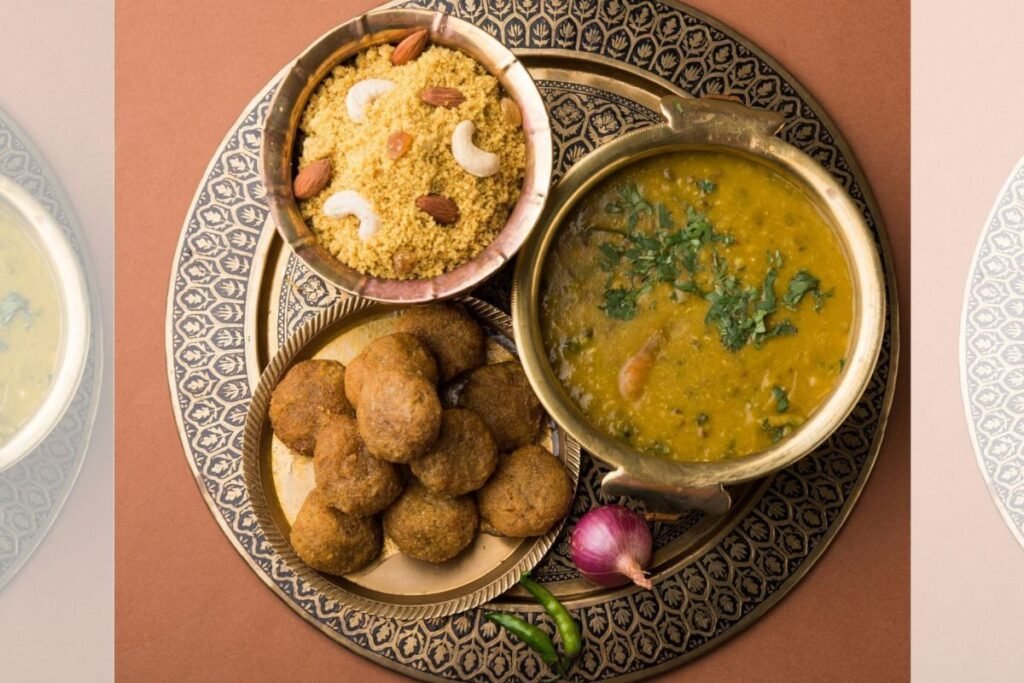
No guide to Jaisalmer special food would be complete without Dal Baati Churma. This celebrated Rajasthani meal combines three elements: dal, baati, and churma.
Dal consists of lentils cooked with spices. Baati is a firm wheat-based bread traditionally baked or cooked until it develops a distinctive texture and is then generously coated with ghee. Churma is a sweet, crumbly preparation made from crushed wheat-based baati with ghee and sugar or jaggery, depending on the recipe.
Rajasthan Tourism describes Dal Baati Churma as one of the state’s most savored complete meals and notes its traditional accompaniment of spicy garlic chutney and red chili.
Best way to eat it: Break the baati, add dal, pour over some ghee, and enjoy it with garlic chutney before finishing with sweet churma.
For first-time visitors, this is arguably the famous food of Jaisalmer that best introduces the wider Rajasthani culinary tradition.
2. Ker Sangri – The Taste of the Thar Desert
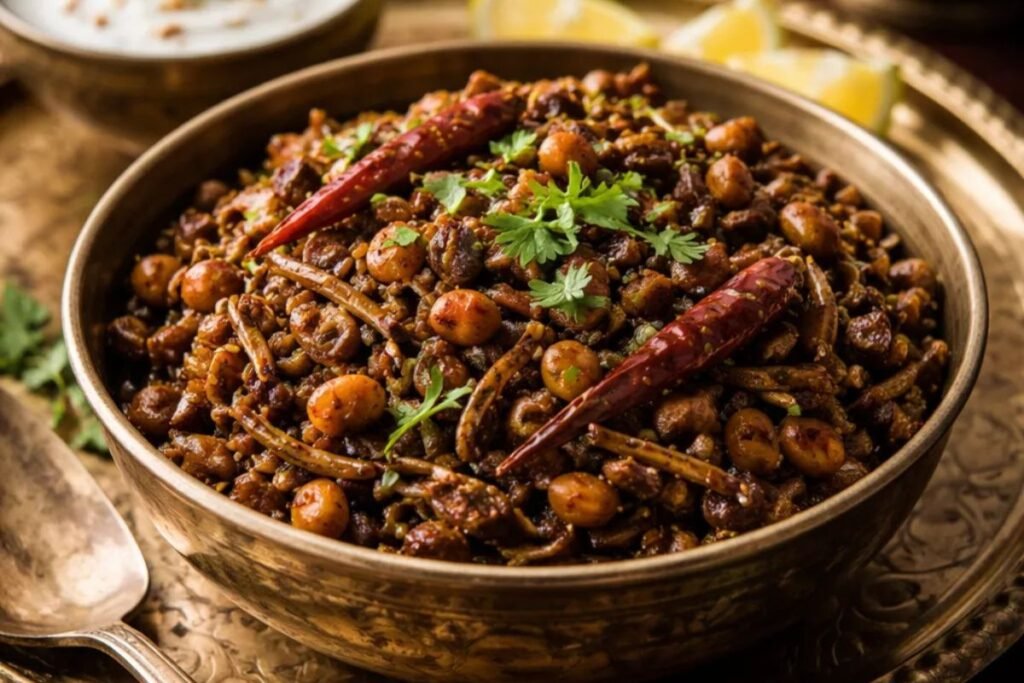
Ker Sangri is one of the most distinctive examples of traditional food of Jaisalmer. It combines ker, a desert berry, with sangri, the dried bean-like pods of the khejari tree.
The ingredients are particularly suited to Rajasthan’s arid environment. They are commonly prepared with spices, red chili, and other seasonings to create a tangy, savory dish.
According to Rajasthan Tourism, Ker Sangri is unique to Rajasthan’s arid landscape and is considered one of the region’s authentic preparations. It is also associated with Marwari wedding celebrations.
Ker Sangri is usually eaten with bajra roti, another staple of desert cuisine. If you want a dish that tells the story of how people adapted their cooking to the desert, this is one of the best choices.
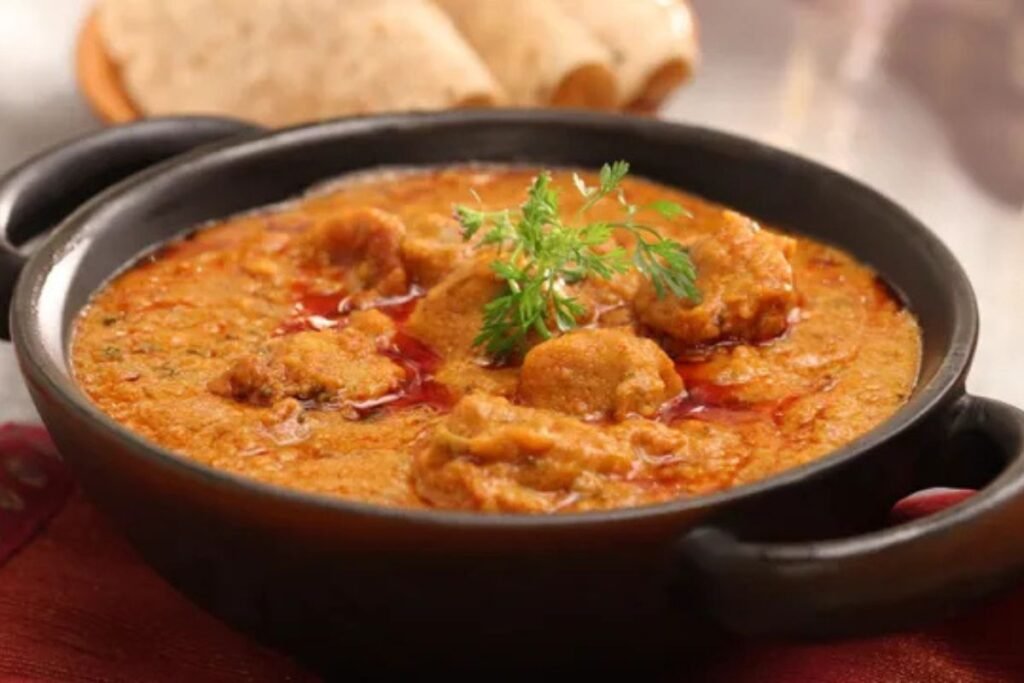
3. Gatte Ki Sabzi—Gram Flour Dumplings in Spiced Gravy
Gatte Ki Sabzi is another important part of Jaisalmer famous food. The dish features gram-flour dumplings, known as gatte, cooked in a spiced gravy, often based on yogurt.
Because gram flour does not depend on fresh vegetables, dishes such as gatte became especially useful in Rajasthan’s traditional food culture. The result is filling, aromatic, and distinctly Rajasthani.
It pairs particularly well with roti, bajra roti, or rice. Travelers who enjoy mildly tangy, creamy curries should definitely add it to their food itinerary.
4. Pyaaz Ki Kachori – A Crispy Street-Food Favorite
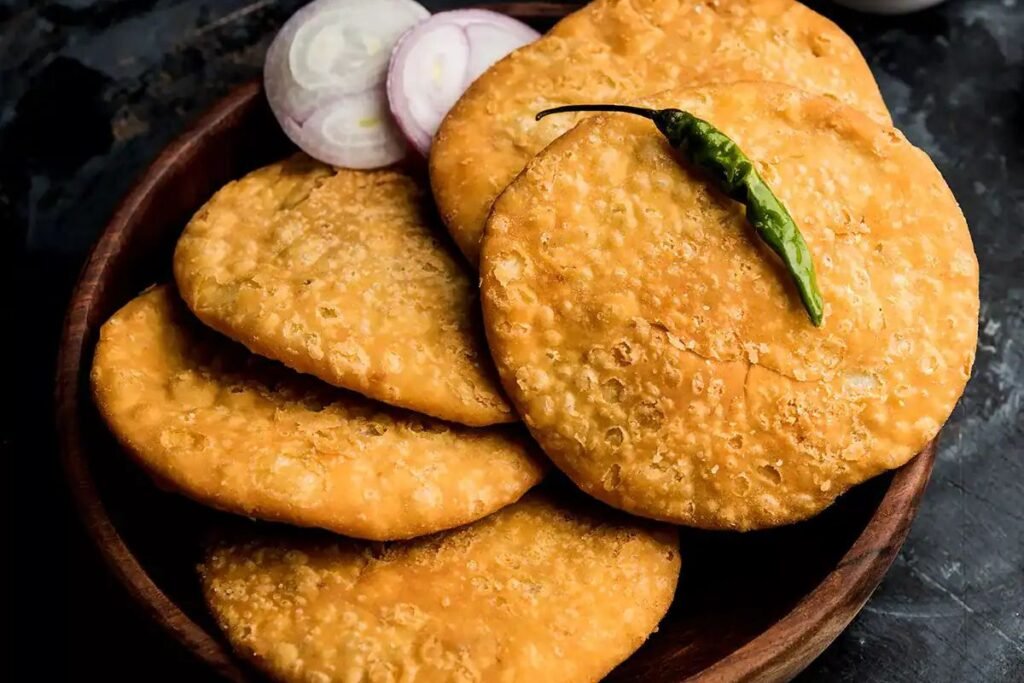
For street-food lovers, Pyaaz Ki Kachori is an essential Jaisalmer special food. This deep-fried pastry is filled with a spiced onion mixture and is generally served hot with chutney or other accompaniments.
The contrast is what makes it appealing: a crisp exterior surrounds a strongly seasoned, soft filling.
Incredible India lists Pyaaz Ki Kachori among Jaisalmer’s notable street food experiences, while Rajasthan’s broader culinary tradition also recognizes pyaaz kachori as a classic regional snack.
Travel tip: Try kachori when it is freshly fried rather than choosing one that has been sitting for hours. Freshness makes a significant difference to both texture and flavor.
5. Laal Maas – Rajasthan’s Fiery Meat Curry
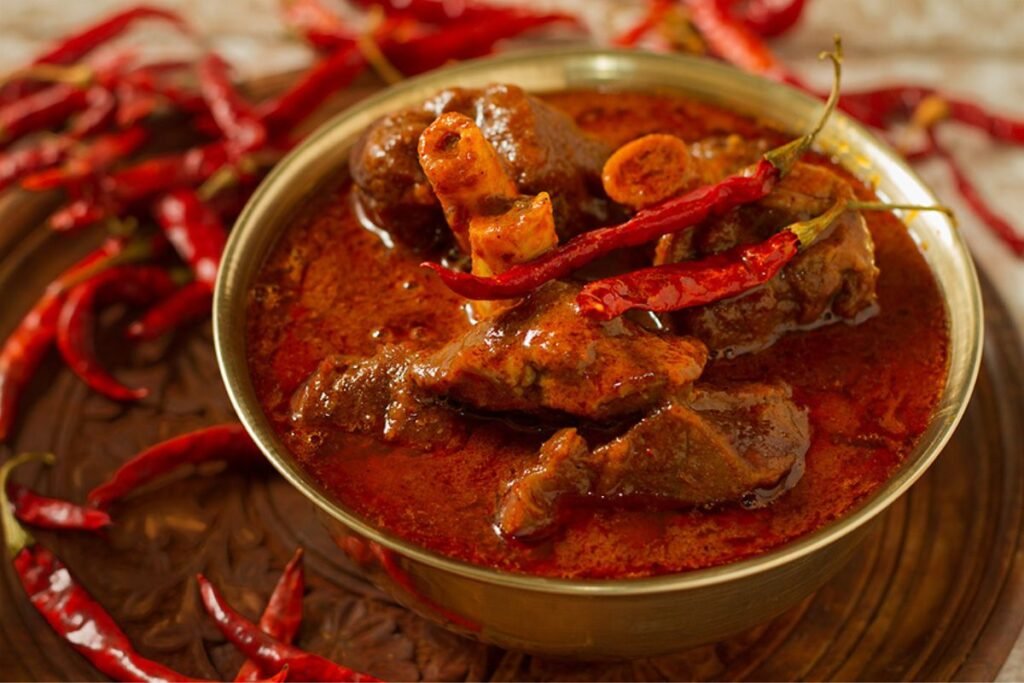
Non-vegetarian travelers should put Laal Maas high on their list of famous food of Jaisalmer.
Laal maas is a fiery Rajasthani meat curry traditionally associated with mutton and the use of red chilies and aromatic spices. Its deep color and bold flavor make it one of Rajasthan’s most recognizable meat preparations.
Incredible India identifies Rajasthani Laal Maas as a non-vegetarian specialty worth trying in Jaisalmer.
The heat level can vary considerably from one kitchen to another, so ask about the spice level if you are not accustomed to very hot food.
6. Ghotua Ladoo – A Sweet Jaisalmer Specialty
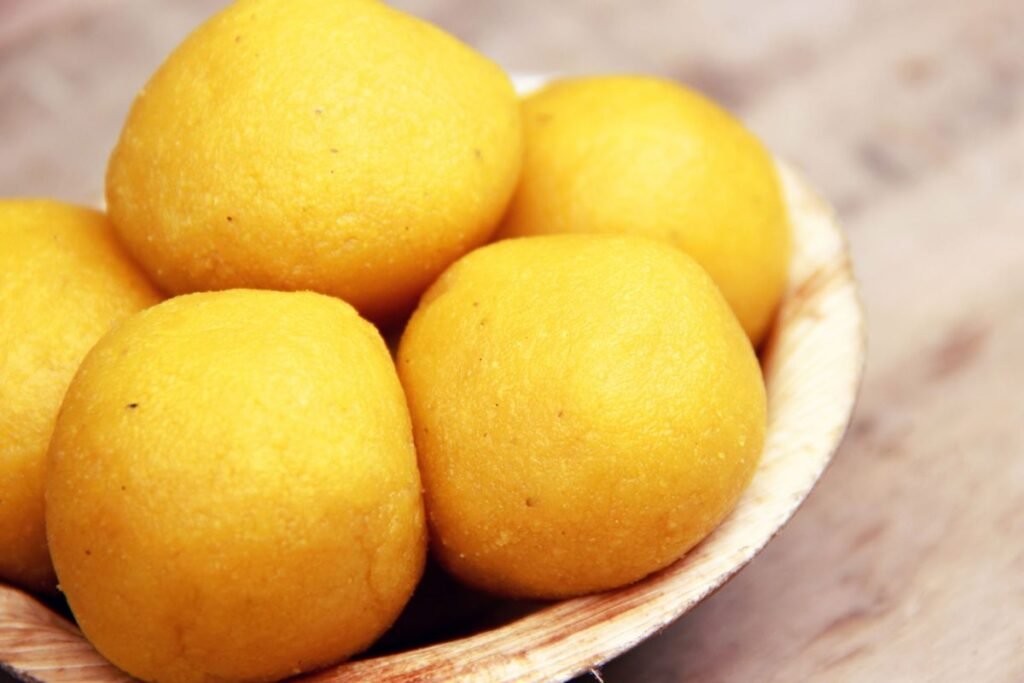
After spicy curries and savory snacks, try one of the city’s traditional sweets. Ghotua Ladoo is particularly associated with Jaisalmer and is made using ingredients such as gram flour, ghee, sugar, and aromatic flavorings.
Condé Nast Traveller highlights Ghotua Ladoo as a Jaisalmer sweet made with desi ghee, gram flour, cardamom, and saffron.
Its rich texture and fragrant flavor make it a popular choice for travelers searching for authentic Jaisalmer famous food beyond the main meals.
If you enjoy Indian mithai, consider buying a small box to sample alongside other Rajasthani sweets.
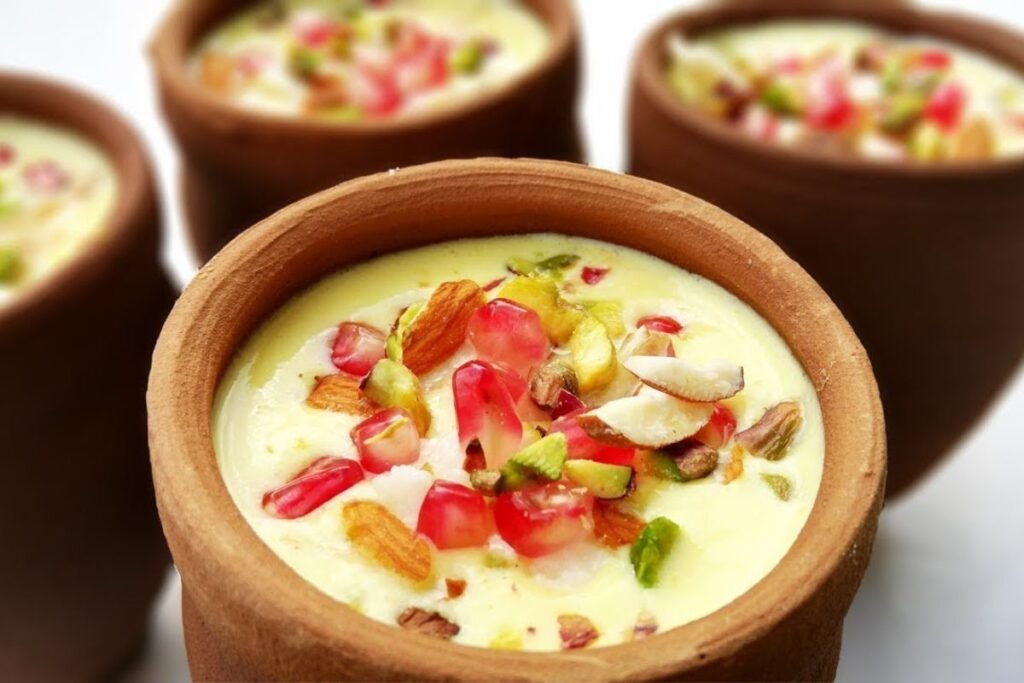
7. Makhania Lassi—A Cooling Desert Drink
Jaisalmer’s hot and dry climate makes a refreshing drink particularly welcome. Makhania Lassi is a thick, creamy yogurt-based drink that is often enjoyed as a cooling accompaniment to meals.
Incredible India specifically recommends Makhania Lassi as one of the city’s local coolers.
For visitors exploring the fort, markets, and surrounding desert, lassi can be an enjoyable way to take a break from heavier dishes.
It also provides a useful counterpoint to spicy curries and snacks, making it an easy addition to your traditional food experience of Jaisalmer.
8. Mirchi Bhajiya – Spicy and Crunchy
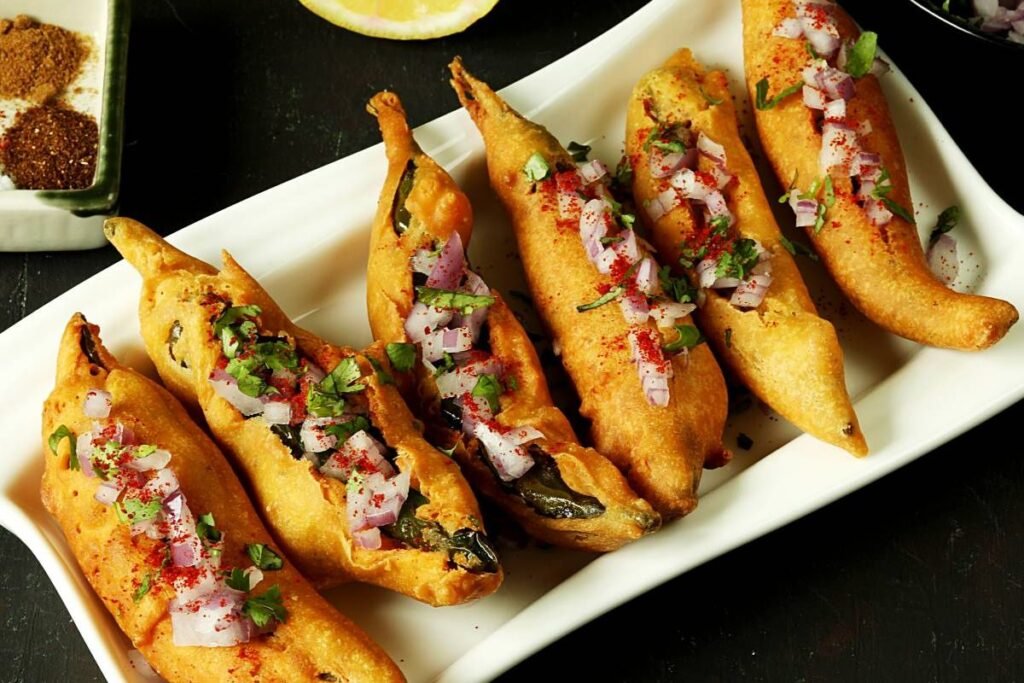
If you enjoy Indian pakoras, don’t miss Mirchi Bhajiya. Large green chilies are coated in a gram-flour batter and deep-fried, creating a crunchy exterior and a spicy center.
Incredible India lists Mirchi Bhajiya among Jaisalmer’s street-food specialties.
Because chili varieties and spice levels differ, ask before ordering if you prefer something mild.
Pairing bhajiya with chutney and a cooling drink makes for a simple but satisfying snack while exploring the city.
9. Gatte Ki Khichdi – A Hearty One-Pot Preparation
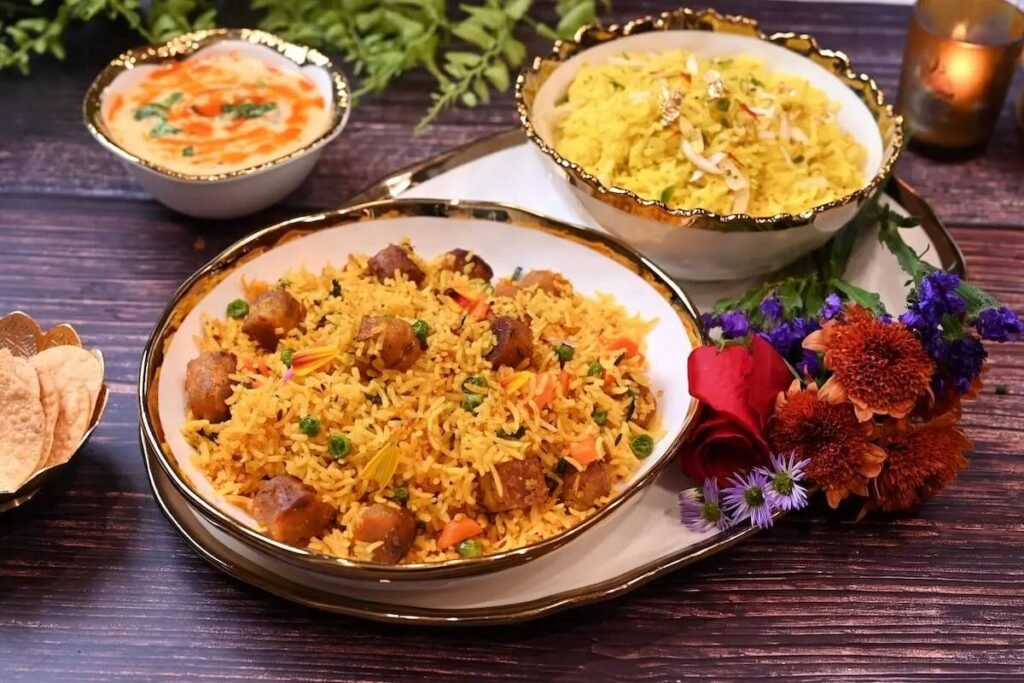
Gatte Ki Khichdi, sometimes called Ram Paulo, is another dish worth discovering. It combines rice with gram-flour dumplings and aromatic spices.
Rajasthan Tourism explains that Gatte Ki Khichdi developed in the context of limited availability of green leafy vegetables and uses ingredients such as besan dumplings, spices, rice, and, in some versions, peas.
Its one-pot character makes it filling without being overly complicated. For travelers who want something different from the more widely known Dal Baati Churma, Gatte Ki Khichdi offers an excellent introduction to regional home-style cooking.
10. Ghevar – A Classic Rajasthani Dessert
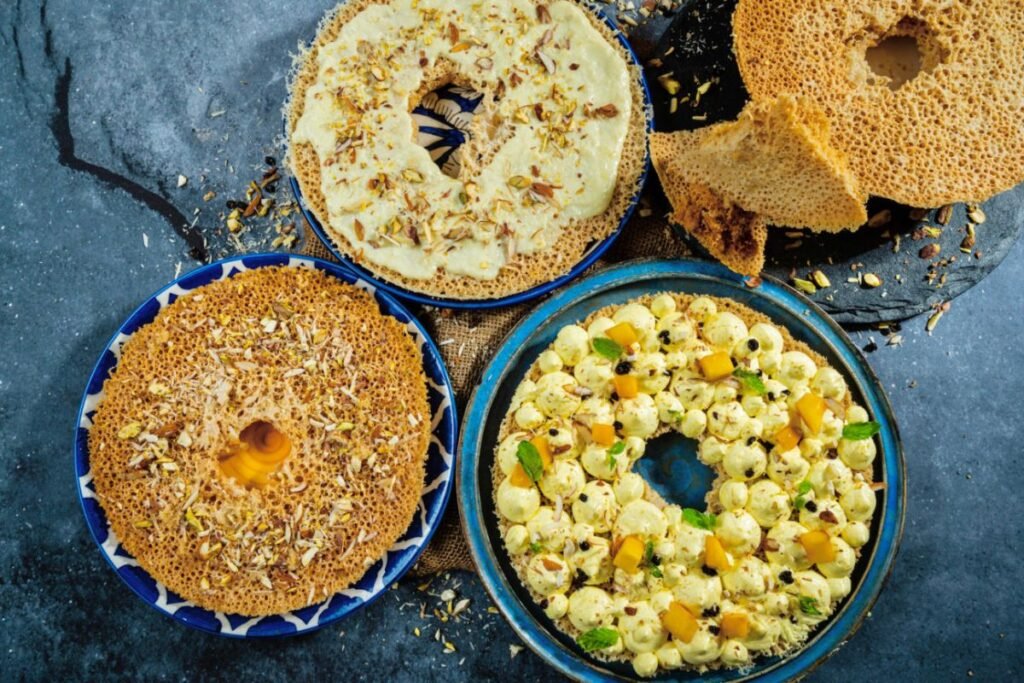
End your culinary journey with Ghevar, a distinctive disc-shaped Rajasthani sweet made from flour and soaked in sugar syrup. Variations can include plain, mawa, and malai versions.
Rajasthan Tourism notes that Ghevar is traditionally associated with festivals such as Teej and Rakshabandhan and is a popular Rajasthani sweet.
Although Ghevar is not exclusive to Jaisalmer, it belongs firmly within the broader dessert tradition that visitors can explore while sampling Jaisalmer special food.
Where to Experience Jaisalmer’s Food
The best way to explore Jaisalmer famous food is to experience different types of eateries rather than relying exclusively on one restaurant.
Look for:
- Local sweet shops for Ghotua Ladoo, Ghevar, and other mithai.
- Traditional Rajasthani restaurants for Dal Baati Churma, Gatte Ki Sabzi, and Ker Sangri.
- Street-food stalls for Pyaaz Ki Kachori and Mirchi Bhajiya.
- Rooftop restaurants for traditional meals accompanied by views of the Golden City.
- Desert camps for cultural dining experiences and Rajasthani-style meals.
Incredible India also recommends enjoying an authentic Rajasthani meal at one of Jaisalmer’s picturesque rooftop restaurants.
When choosing a food outlet, prioritize cleanliness, food turnover, and freshly prepared dishes—especially during hot weather.
How to Eat Like a Local in Jaisalmer
To get the most from your traditional food of Jaisalmer experience, keep these simple tips in mind:
- Start with small portions. Rajasthani food can be rich and filling.
- Ask about spice levels. Laal Maas and some snacks can be particularly hot.
- Try seasonal and freshly prepared dishes. Availability can vary.
- Balance rich foods with lassi or buttermilk.
- Don’t skip the sweets. Ghotua Ladoo and Ghevar offer a different side of the cuisine.
- Try bajra roti with desert vegetables. It complements dishes such as Ker Sangri particularly well.
- Eat where there is good customer turnover. Freshly prepared food is generally preferable for street snacks.
Why Jaisalmer’s Cuisine Is More Than Just Food
The real appeal of the famous food of Jaisalmer lies in the story behind the ingredients. Rajasthan’s traditional cooking evolved in an environment where water and fresh produce could be limited. The cuisine, therefore, developed around preservation, dry ingredients, grains, gram flour, dairy, and strong seasonings.
Rajasthan Foundation similarly explains that the state’s cuisine was shaped by its arid environment and historical availability of ingredients, with gram flour, millet, barley, dairy, and other practical staples playing important roles.
That context makes every dish more meaningful. Ker Sangri represents desert adaptation; Dal Baati Churma represents the hearty Rajasthani meal; kachori represents the city’s snack culture; and sweets such as Ghotua Ladoo showcase its rich mithai tradition.
Quick Jaisalmer Food Checklist
If you have limited time, prioritize these dishes:
- Dal Baati Churma – Best introduction to classic Rajasthani cuisine.
- Ker Sangri with Bajra Roti – Best for experiencing desert ingredients.
- Pyaaz Ki Kachori – Best street-food choice.
- Gatte Ki Sabzi—Best vegetarian curry.
- Laal Maas – Best-known choice for meat lovers.
- Ghotua Ladoo – Best local sweet to seek out.
- Makhania Lassi—Best cooling drink.
- Mirchi Bhajiya—Best spicy snack.
- Gatte Ki Khichdi—Best hearty regional alternative.
- Ghevar – Best traditional dessert option.
Frequently Asked Questions About Jaisalmer Food
What is the most famous food of Jaisalmer?
Dal Baati Churma is one of the most recognizable dishes to try, but Jaisalmer special food also includes Ker Sangri, Gatte Ki Sabzi, Pyaaz Ki Kachori, Ghotua Ladoo, and other Rajasthani specialties.
What is special about Ker Sangri?
Ker Sangri uses a desert berry and dried sangri beans, making it particularly representative of Rajasthan’s arid food culture. It is an important example of traditional food of Jaisalmer.
What should vegetarians eat in Jaisalmer?
Vegetarians have plenty of choices, including Dal Baati Churma, Ker Sangri, Gatte Ki Sabzi, Gatte Ki Khichdi, Pyaaz Ki Kachori, and several traditional sweets. The famous food of Jaisalmer is not limited to meat dishes.
Is Laal Maas very spicy?
Laal Maas is known for its bold chili-forward flavor, but preparation varies between restaurants. If you prefer moderate heat, ask the chef to adjust the spice level.
Which sweet should I try in Jaisalmer?
Ghotua Ladoo is an excellent local choice, while Ghevar is another classic Rajasthani dessert. Travelers interested in Jaisalmer famous food should ideally try at least one traditional sweet.
What makes Jaisalmer cuisine different from other Indian cuisines?
The cuisine reflects Rajasthan’s desert environment and historical ingredient availability. Dried vegetables and berries, gram flour, millet, dairy, ghee, and preserved ingredients are important components of the broader culinary tradition.
Final Thoughts
Exploring Jaisalmer special food is one of the best ways to understand the culture of the Golden City. From the hearty combination of Dal Baati Churma to the tangy Ker Sangri, fiery Laal Maas, crispy Pyaaz Ki Kachori, and indulgent Ghotua Ladoo, the city’s food reflects both Rajasthan’s culinary heritage and the realities of desert life.
The famous food of Jaisalmer offers something for almost every traveler: substantial vegetarian meals, bold meat curries, spicy snacks, cooling drinks, and traditional sweets. More importantly, Jaisalmer famous food is connected to the region’s history rather than being simply a tourist attraction.
So, when you next visit the Golden City, make room in your itinerary for a proper food trail. Taste slowly, ask locals what is freshly prepared, and explore beyond the familiar dishes. That is how you can experience the traditional food of Jaisalmer in a genuinely memorable way.